



 Decoding Aquatic Ecosystems Through Bivalve Gaping Behavior and Motility tracking
Aquatic ecosystems face increasing pressure from anthropogenic pollutants, making the early detection of environmental degradation a critical scientific priority. Researchers rely on bioindicators to assess ecosystem health and identify responses to environmental stressors.
Among these organisms, bivalves are valuable sentinels due to their sedentary nature and direct interaction with their surrounding environment. In particular, dreissenid mussels—including zebra mussels (Dreissena polymorpha) and quagga mussels (Dreissena rostriformis bugensis)—provide useful biological models for investigating water quality and the effects of contaminants.
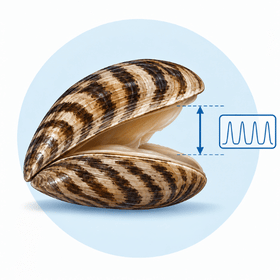
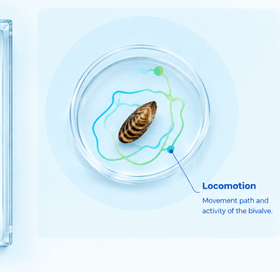
Understanding their behavior offers valuable insights into environmental stress. When exposed to pollutants, bivalves may alter their valve movements, producing measurable changes in gaping behavior. By analyzing parameters such as opening duration, maximum opening distance and movement frequency, researchers can investigate behavioral responses to chemical exposure.
This non-invasive approach provides quantitative behavioral data while preserving the organisms, supporting ecotoxicological research and the assessment of aquatic environments.
Other applications

Long Term Behavior Monitoring of aquatic macro-invertebrates
