


 Quantifying Locomotor Activity in Dreissena polymorpha
Behavioral changes can provide useful information when investigating the effects of chemical exposure on aquatic organisms. In addition to valve gaping, locomotor activity offers another behavioral endpoint for studying responses to environmental stressors.
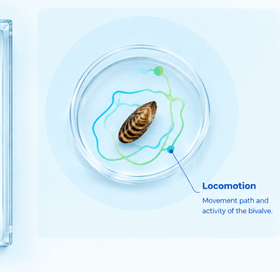
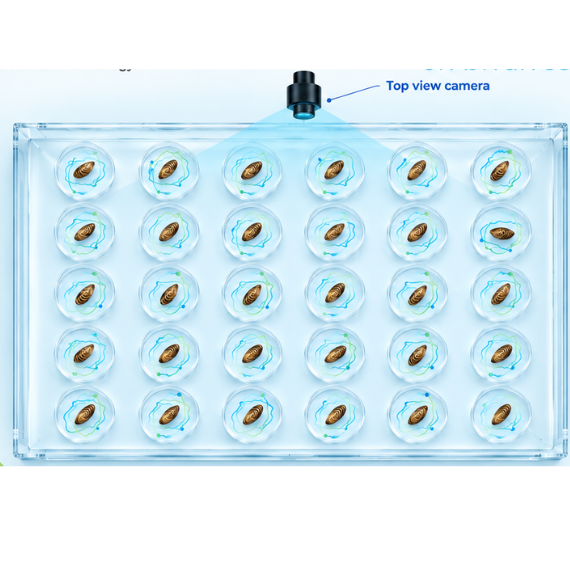
ViewPoint’s video tracking solution analyzes the movements of zebra mussels (Dreissena polymorpha) using top-down video recordings of individuals placed in Petri dishes.
Track Up to 30 Zebra Mussels Simultaneously
The system can track up to 30 zebra mussels simultaneously, enabling researchers to quantify locomotor activity across multiple individuals within the same experiment.
This approach supports the measurement and comparison of movement patterns under control and chemically exposed conditions, providing quantitative data for behavioral ecotoxicology studies.

A Complementary Approach to Bivalve Monitoring
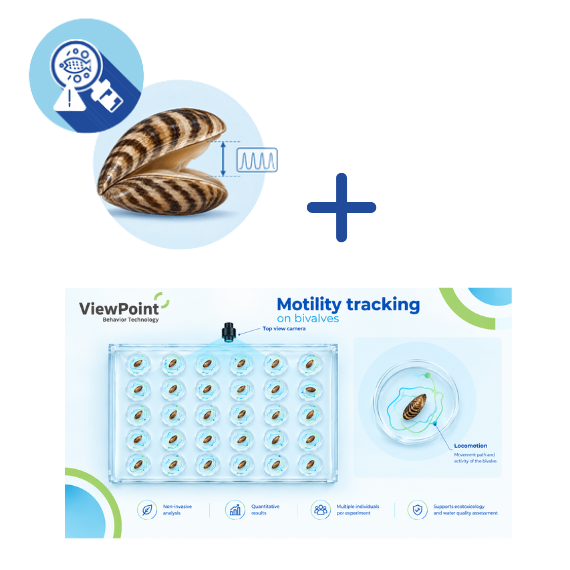
Motility tracking complements valve gaping analysis by focusing on locomotor behavior rather than shell opening. Together, these approaches offer researchers different ways to investigate behavioral responses to chemical stress in Dreissena polymorpha.

Interested in this solution?
Do not hesitate to request more information on this system. One of our sales managers will contact you shortly .