



 Decoding Aquatic Ecosystems Through Bivalve Gaping Behavior
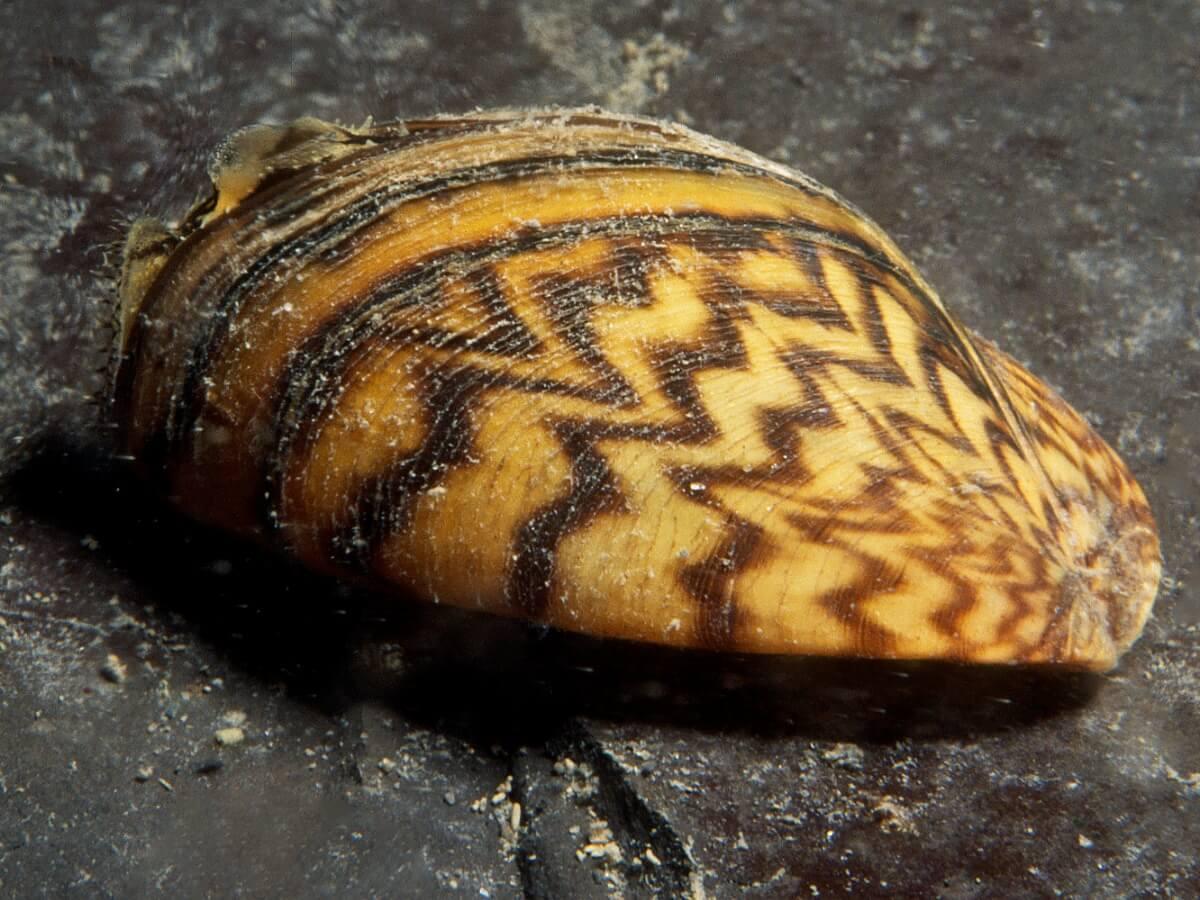
Aquatic ecosystems face unprecedented pressure from anthropogenic pollutants, making early detection of environmental degradation a critical scientific priority. Researchers increasingly rely on bioindicators to evaluate ecosystem health in real time. Among these organisms, bivalves serve as exceptional sentinels due to their sedentary nature and direct physiological responses to environmental stressors. Specifically, studying dreissena populations—zebra and quagga mussels—provides scientists with highly sensitive metrics for assessing water toxicity and broader ecological shifts.
Consequently, understanding the natural behavior of these organisms unlocks profound research opportunities. When exposed to contaminants, bivalves alter their valve movements, changing their gaping behaviour in measurable ways. By analyzing parameters such as opening time, distance, and frequency, researchers can quantify sublethal stress responses before catastrophic population declines occur. This non-invasive method preserves organismal integrity while yielding high-resolution data that advances modern ecotoxicology.
Other applications

Long Term Behavior Monitoring
