A groundbreaking scientific publication recently appeared in Nature (March 2026), fundamentally shifting our understanding of neurodegenerative diseases. Titled "The short-chain fatty acid butyrate prevents gut-brain amyloid-β pathology and neuroinflammation in an Alzheimer mouse model," this study uncovers a powerful biological mechanism linking intestinal health directly to cognitive preservation. Researchers demonstrated that a specific microbial metabolite actively shields the brain from degenerative damage. Consequently, this discovery opens unprecedented therapeutic avenues for treating one of the most devastating neurological conditions worldwide.
The research team from Inserm Nantes led this ambitious project, meticulously mapping how metabolic signals travel between the digestive tract and the central nervous system. We extend our deepest gratitude to these brilliant scientists for their dedication and rigorous methodology. Their work not only validates the critical importance of the microbiome but also provides a tangible, data-driven framework for future clinical interventions targeting the gut brain axis.
Decoding the Molecular Defense Against Neurodegeneration
To understand the magnitude of this discovery, we must first examine the destructive nature of amyloid B pathology. In typical disease progression, misfolded proteins accumulate rapidly within neural tissues, forming toxic plaques that disrupt cellular communication and trigger neuronal death. However, the Inserm Nantes researchers discovered that administering butyrate, a short-chain fatty acid naturally produced by beneficial intestinal bacteria, dramatically halts this accumulation. By fortifying the intestinal barrier and modulating systemic immune responses, butyrate effectively blocks the pathological cascade before it permanently damages the central nervous system.
Furthermore, the study places significant emphasis on the reduction of neuroinflammation, which acts as a primary catalyst for cognitive decline. Chronic inflammation in the brain accelerates tissue degradation and worsens memory loss over time. The researchers proved that butyrate suppresses hyperactive microglial cells, thereby extinguishing the inflammatory fires that typically ravage neural networks. This dual action—clearing toxic protein aggregates while simultaneously calming the immune response—establishes butyrate as a highly promising, multi-target therapeutic agent for preserving long-term brain health.
Tracking Cognitive Resilience: Behavioral Studies with ViewPoint VideoTrack
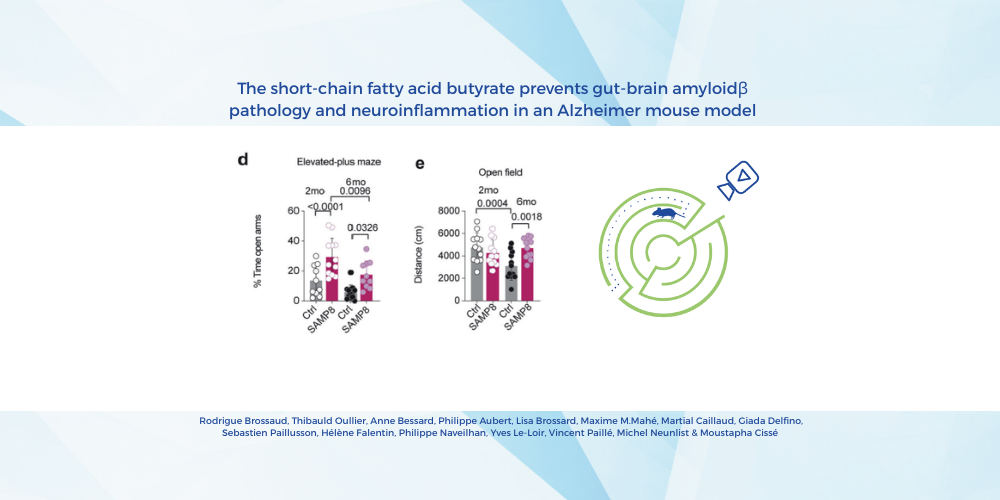
Validating molecular changes requires rigorous behavioral proof, especially when studying complex neurological disorders in rodents. To achieve this, the Inserm Nantes team deployed advanced tracking technology to measure cognitive function accurately. Specifically, they utilized the VideoTrack software developed by ViewPoint Behavior Technology. This sophisticated system allows researchers to record, quantify, and analyze the precise movements of each Alzheimer mouse without human interference or bias. By automating data collection, VideoTrack ensures absolute objectivity, capturing subtle locomotor and exploratory changes that manual observation would inevitably miss.
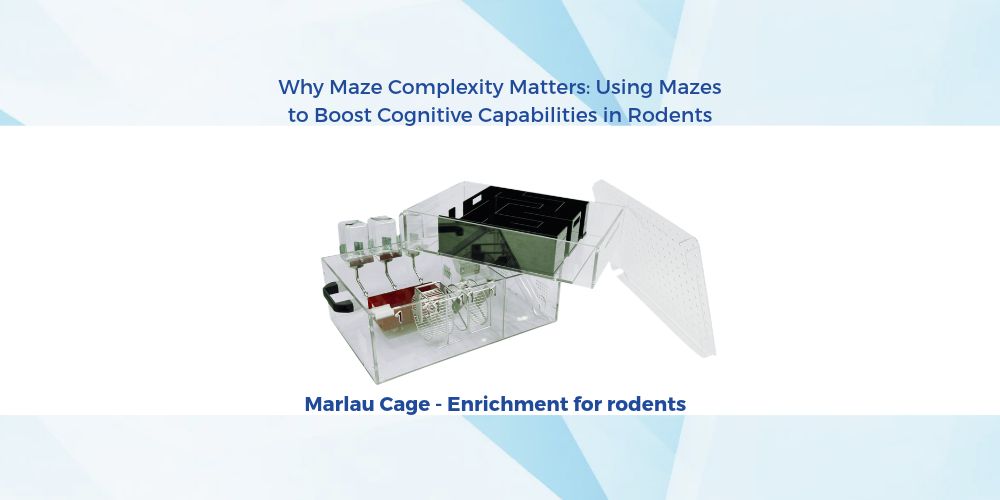
In addition to automated tracking, the researchers subjected the animals to a battery of standardized spatial mazes. These maze tests evaluate learning capacity, spatial memory retention, and problem-solving abilities under controlled conditions. While navigating these complex environments, the VideoTrack software mapped every trajectory, calculated velocity, and measured the exact time spent exploring target zones. The resulting data revealed a stark contrast between treated and untreated groups. Mice receiving butyrate navigated the mazes with significantly greater efficiency, demonstrating preserved spatial memory and active exploratory behavior compared to their untreated counterparts.
Bridging the Gap Between Intestinal Health and Brain Function
This exceptional study highlights the profound interconnectedness of the body's internal ecosystems. For decades, scientists treated the brain as an isolated organ, entirely separate from peripheral metabolic processes. Now, this publication definitively proves that the gut brain connection dictates neurological outcomes just as powerfully as direct genetic factors. The researchers showed that maintaining a healthy intestinal environment, rich in butyrate-producing bacteria, creates a systemic defense network that protects distant organs, including the brain. Therefore, dietary interventions and targeted probiotic therapies could soon become frontline strategies in combating cognitive decline.
Moreover, the methodological rigor applied by the Inserm Nantes team sets a new gold standard for preclinical neuroscience. By combining deep molecular biology with high-throughput behavioral phenotyping, they painted a comprehensive picture of disease prevention. The use of the videotrack system provided the quantitative backbone necessary to support their biochemical claims. Without precise behavioral metrics derived from the mazes and tracking software, proving that reduced neuroinflammation actually translates to improved daily function would remain impossible. Ultimately, this synergy between advanced technology and biological insight drives the field forward.
Read full publication here : https://www.nature.com/articles/s41380-026-03522-6
"The short-chain fatty acid butyrate prevents gut-brain amyloid-β pathology and neuroinflammation in an Alzheimer mouse model"
Authors : Rodrigue Brossaud, Thibauld Oullier, Anne Bessard, Philippe Aubert, Lisa Brossard, Maxime M.Mahé, Martial Caillaud, Giada Delfino, Sebastien Paillusson, Hélène Falentin, Philippe Naveilhan, Yves Le-Loir, Vincent Paillé, Michel Neunlist & Moustapha Cissé
A New Horizon for Alzheimer’s Research
The implications of this March 2026 Nature publication ripple far beyond the laboratory bench. By identifying butyrate as a potent protector against amyloid B pathology, the scientific community gains a clear, actionable target for drug development. Pharmaceutical companies and nutritionists alike now possess the evidence required to formulate therapies that address the root causes of neurodegeneration rather than merely managing late-stage symptoms. This paradigm shift encourages a holistic approach to medicine, where clinicians treat the entire organism instead of isolating individual failing organs.
Finally, we must once again commend the research team from Inserm Nantes for executing this monumental study. Their tireless effort advances our collective fight against dementia and provides genuine hope for millions of patients globally. At ViewPoint, we take immense pride in knowing that our VideoTrack software played a vital role in capturing the behavioral data that validated these life-changing findings. As science continues to unravel the mysteries of the microbiome, precision tracking tools will remain absolutely essential for translating microscopic discoveries into macroscopic medical breakthroughs.