The Amphibian Sentinel: Why Researchers Choose Tadpoles ?
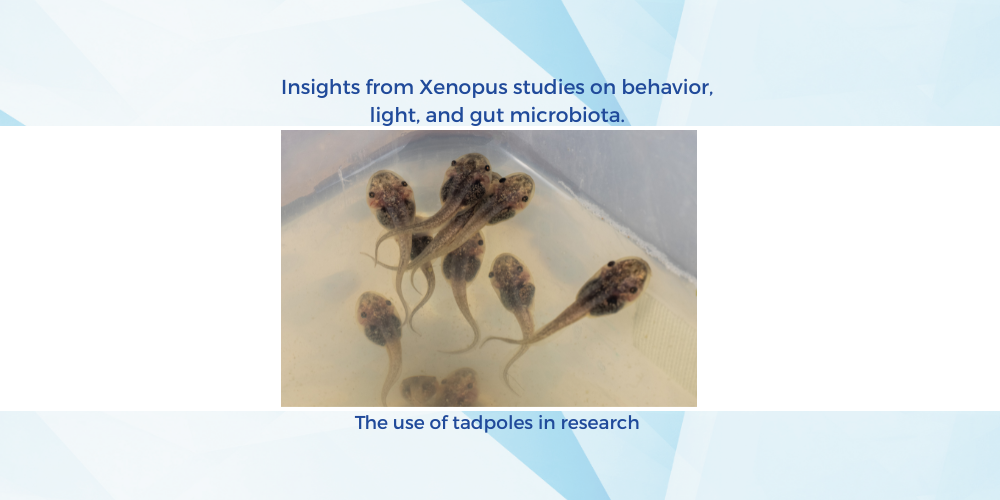
Scientists increasingly rely on the amphibian larval stage to evaluate environmental health. Xenopus tadpoles offer a combination of rapid development, transparent tissues, and high sensitivity to chemical stressors. Consequently, researchers utilize these organisms as living biosensors to detect subtle ecological disruptions before they escalate into population-level crises. Their permeable skin and aquatic lifestyle expose them directly to waterborne pollutants, making them ideal subjects for controlled laboratory investigations.
Furthermore, behavioral analysis provides a non-lethal endpoint that captures sub-lethal toxicity with remarkable precision. Instead of waiting for mortality data, scientists observe changes in swimming patterns, feeding responses, and predator avoidance. These behavioral metrics reflect complex neural processing. Therefore, analyzing how tadpoles move and react allows researchers to quantify the functional impact of contaminants on developing nervous systems without sacrificing the animals prematurely. This approach aligns perfectly with modern ethical standards in scientific research while delivering robust, reproducible data.
Chemical Stressors and Behavioral Shifts: Levofloxacin and Cis-Bifenthrin
Recent pharmacological and ecotoxicological studies highlight how specific chemicals alter tadpole behavior at environmentally relevant concentrations. For instance, researchers investigating the antibiotic levofloxacin discovered significant impacts on aquatic vertebrate models. When tadpoles encounter levofloxacin residues in contaminated waterways, the drug disrupts normal physiological functions. Scientists measure these disruptions primarily through alterations in locomotor activity. A decrease or erratic pattern in swimming speed directly indicates central nervous system impairment. By tracking these movements using automated video software, researchers generate precise dose-response curves that inform environmental risk assessments.
Similarly, synthetic pyrethroids present severe threats to amphibian larvae. Studies examining cis-bifenthrin, a widely used agricultural insecticide, reveal profound neurotoxic effects. Cis-bifenthrin targets voltage-gated sodium channels in neurons, leading to hyperexcitability followed by paralysis. In tadpole models, this neurotoxicity manifests as uncoordinated swimming, spasms, and an inability to maintain equilibrium. Because cis-bifenthrin persists in aquatic sediments, tadpoles face chronic exposure risks. Scientists use these behavioral endpoints to demonstrate that even concentrations below acute lethal thresholds severely compromise an amphibian's ability to forage and escape predators in natural habitats.
Full paper here : Metabolic modulation by antibiotic levofloxacin alters Cis-bifenthrin-induced neurotoxicity in amphibian tadpoles
Authors : Yuqing Ma et al.
Review : Ecotoxicology and Environmental Safety
Illuminating Internal Pathways: Pinopsin, Melatonin, and Circadian Rhythms
Behavioral responses do not occur in a vacuum; they stem from intricate molecular pathways. Researchers currently explore how light-sensitive molecules regulate tadpole activity cycles. Specifically, extra-retinal photoreceptors like pinopsin play a critical role in synchronizing circadian rhythms in amphibian larvae. Pinopsin, expressed in the pineal gland and deep brain regions, detects ambient light changes independently of the eyes. When scientists manipulate light environments or introduce endocrine-disrupting chemicals, they observe how pinopsin signaling degrades. This degradation subsequently alters daily behavioral patterns, proving that molecular photoreception directly drives macroscopic movement.
Downstream of light detection, hormonal regulation dictates rest and activity phases. Melatonin serves as the primary chronobiotic hormone translating environmental light cues into physiological responses. In tadpoles, melatonin secretion suppresses daytime locomotion and promotes nocturnal resting behaviors. Toxicological studies show that pollutants can dysregulate melatonin synthesis. When researchers expose tadpoles to chemical stressors, they frequently record flattened melatonin profiles alongside disrupted sleep-wake cycles. By correlating melatonin concentrations with real-time tracking data, scientists establish a clear mechanistic link between endocrine disruption and abnormal locomotor activity, thereby deepening our understanding of amphibian chronobiology.
Authors : Neda Heshami et al.
Journal of the Pineal Research, PMC
Beyond the Brain: Gut Microbiota as a Behavioral Modulator
Emerging evidence shifts the focus from the central nervous system to the enteric environment, revealing that the gut microbiota profoundly influences host behavior. Tadpoles harbor diverse microbial communities essential for digestion, immune function, and neurodevelopment. When antibiotics like levofloxacin or pesticides like cis-bifenthrin enter the aquatic environment, they indiscriminately decimate beneficial bacterial populations. Scientists now recognize this dysbiosis as a hidden driver of neurobehavioral deficits. The gut-brain axis in amphibians relies on microbial metabolites—such as short-chain fatty acids and neurotransmitter precursors—to maintain optimal neural function.
Consequently, researchers integrate microbiome sequencing with behavioral assays to capture a holistic picture of toxicity. By analyzing fecal samples alongside swimming trajectories, scientists prove that microbial depletion precedes observable locomotor decline. Restoring the gut microbiota through probiotic interventions often rescues normal behavior, confirming the causal relationship. This multi-omics approach transforms tadpoles into comprehensive models for studying how environmental pollutants dismantle the symbiotic relationships required for healthy neurological development. Ultimately, evaluating the gut microbiota alongside traditional neurotoxicity markers equips scientists with predictive tools to safeguard vulnerable amphibian populations worldwide.
Quantifying Locomotion: The ZebraLab software and the ZebraBox
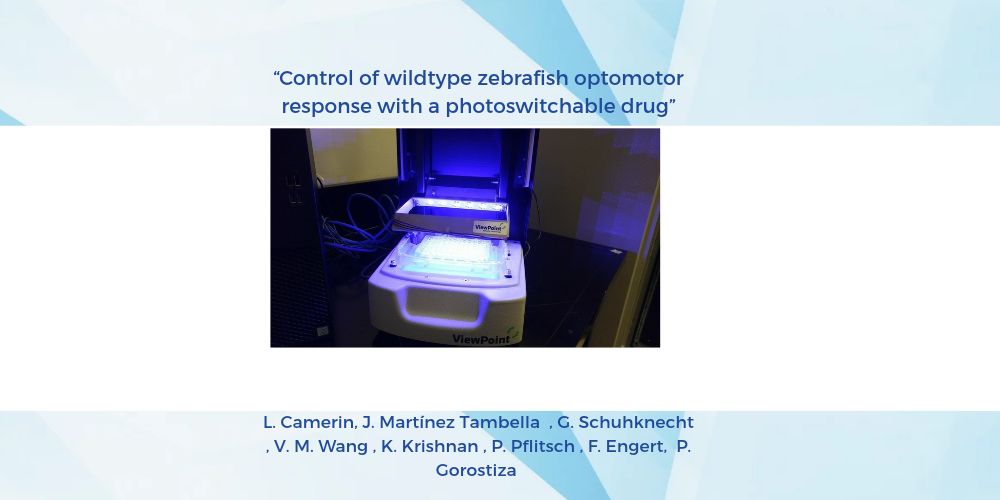
To capture these behavioral endpoints objectively, researchers employ automated video-tracking technology. The ZebraLab software measures swimming speed and activity with high precision. Prior to measurement, tadpoles are allowed to acclimate for 10 min, minimizing handling stress. Under light conditions, the instrument's high-resolution camera records the tadpoles' movement trajectories, capturing data every 60 s over a total duration of 10 min, yielding reliable short-term locomotor profiles.
For longer-term analyses, locomotor activity is recorded over a 24-h period using the ZebraBox under a 12-h light/12-h dark cycle. Movement is tracked in 30-min intervals using ZebraLab software, which calculates the distance traveled and the corresponding movement speed. Locomotor activity levels during light and dark phases are then quantified for each tadpole and compared across experimental groups, including wild type, enucleated, and mutant embryos. At the end of the experiment, dead tadpoles with no movement response, as well as malformed individuals, are removed from the analysis, ensuring that only viable subjects contribute to the dataset. This combination of short-term tracking and full circadian profiling allows researchers to distinguish acute toxic effects from disruptions of the endogenous activity rhythm.